What Is Curio
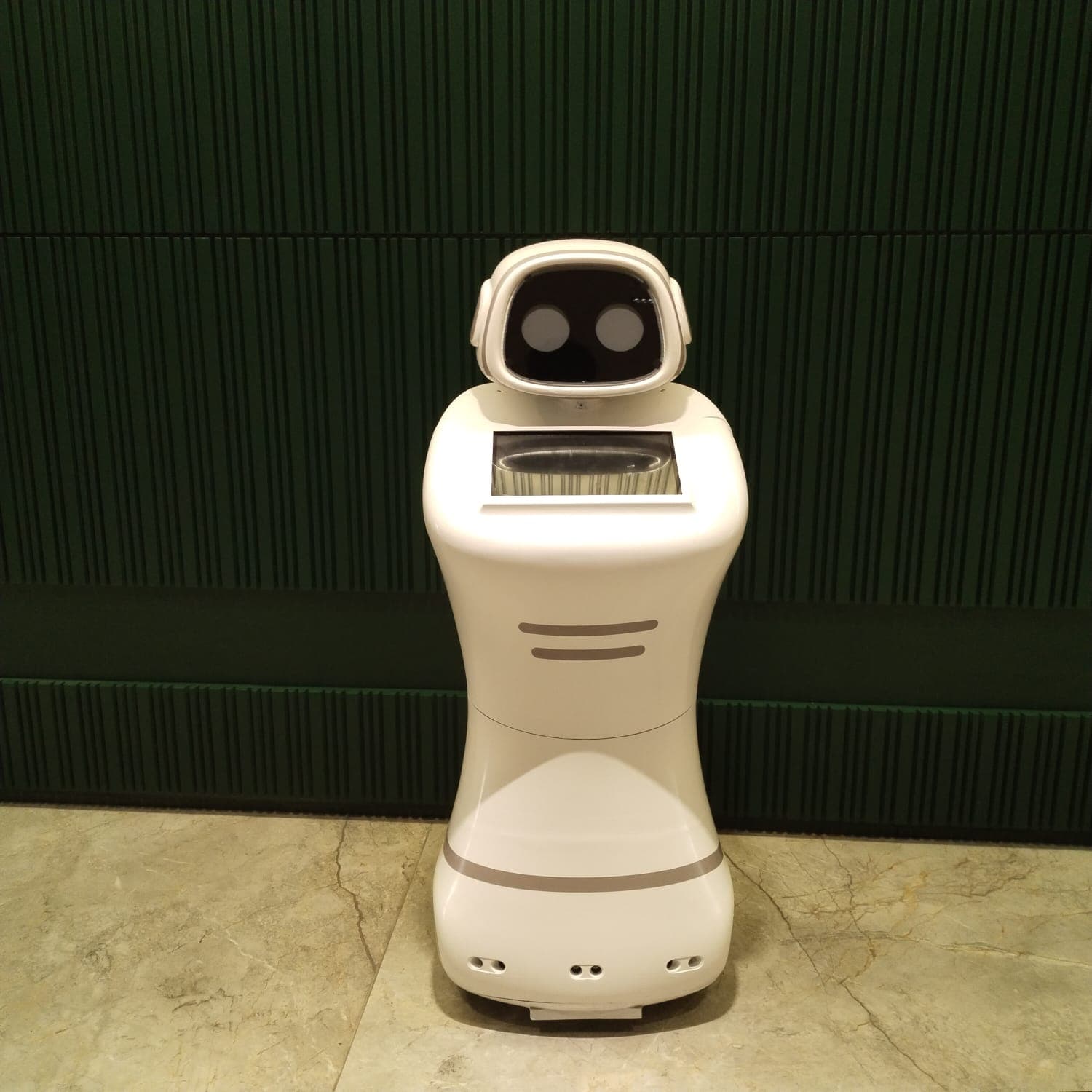
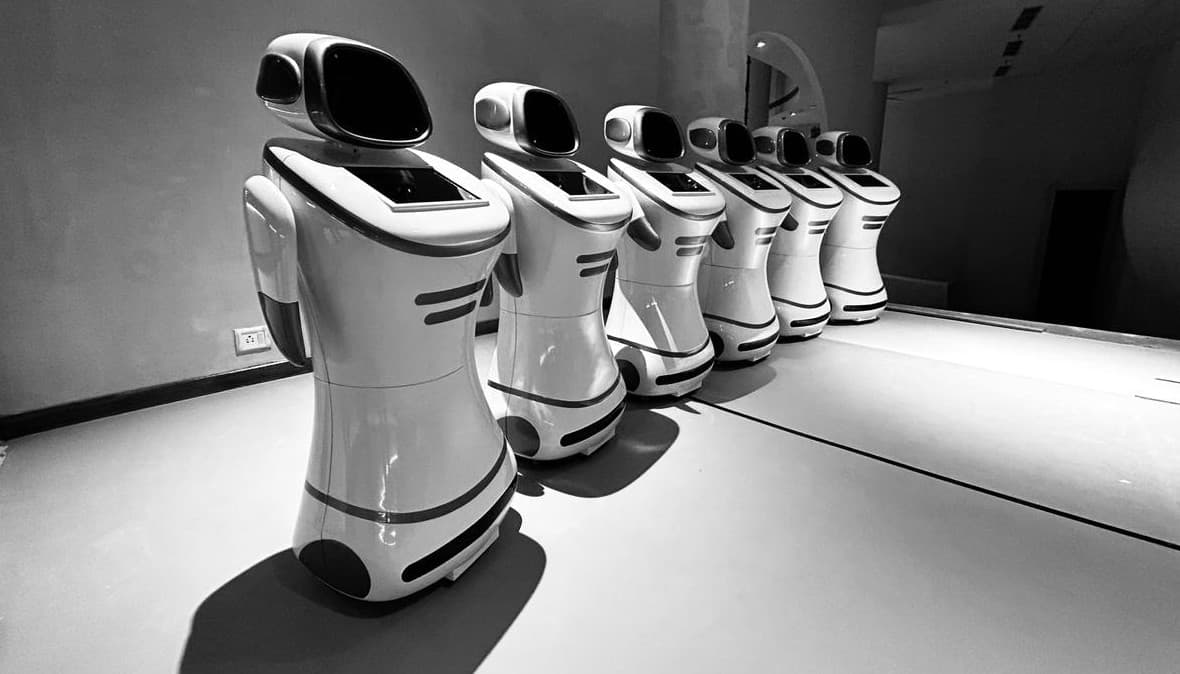
Curio is an autonomous museum guide robot developed for deployment at the Solar Dome Museum in Kolkata, India. The project was a collaboration between VAMA Projects, a leading museum design and technology company in India and Innovix Pro, where I worked as Robotics Engineer.
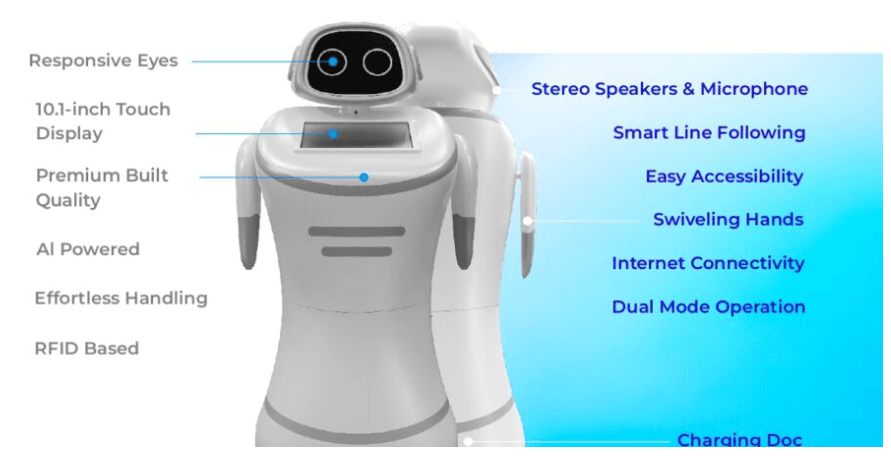
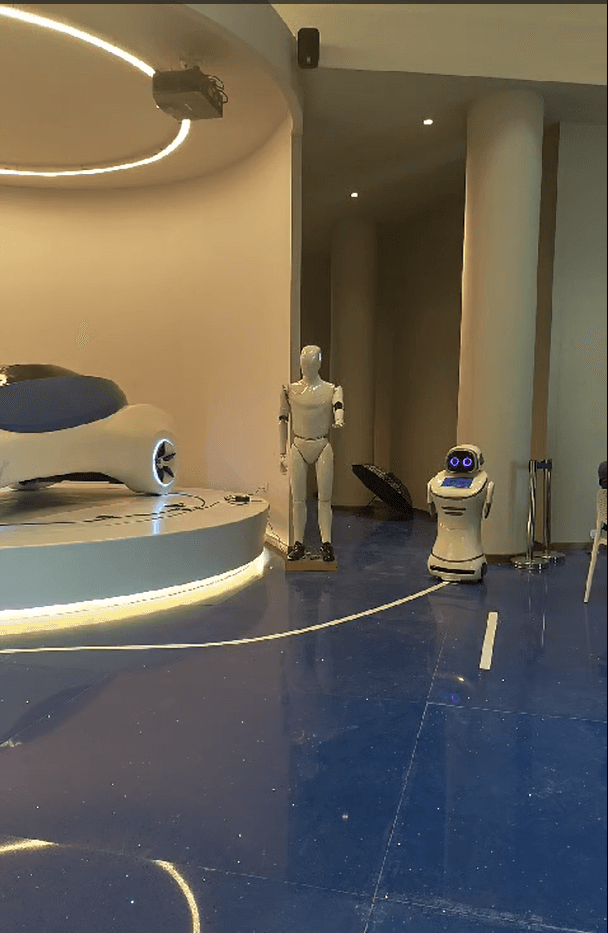
The robot was designed to navigate the museum floor independently, follow a predefined route across exhibition models, and engage visitors with explanations of each exhibit in their preferred language. Curio speaks English, Hindi, and Bangla, making it accessible to the diverse visitor base at the Kolkata venue.
You can see Curio in action in the official VAMA Projects video: Watch on YouTube
More project details and other infos are featured on the VAMA Projects website: vamaprojects.com
What the Robot Does
Curio operates as a fully autonomous guide inside the museum. It follows a line-based navigation path across the exhibition floor, stopping at each exhibit to deliver context-aware explanations. Visitors can interact with it directly through a live chat interface powered by AI integration, asking questions and receiving responses in their preferred language.
The robot handles the full visitor interaction loop: navigation between exhibits, exhibit identification, multilingual speech output, and real-time conversational AI response, all running on the museum floor without human intervention.
My Contribution
I was the sole engineer responsible for the complete embedded and control stack of Curio at Innovix Pro. With the exception of the physical outer body and the display UI, every technical layer of the robot was designed, built, and integrated by me.
This covered the full electronics architecture, selecting and integrating the drive system, designing the power distribution, and wiring the sensor and actuator network. I made the decisions on the drive configuration and implemented the low-level motor control logic that allowed the robot to navigate reliably on the museum floor.
On the software side, I developed the complete embedded control pipeline in C++ and Python, covering sensor interfacing, drive control, navigation logic, and the integration layer that connected the AI and speech systems to the physical hardware. I handled the hardware-software interface at every level, from microcontroller firmware up to the application layer that managed exhibit sequencing and visitor interaction triggers.
The robot was deployed in a live public environment with real visitors, which meant the system had to be robust, recoverable, and maintainable without engineering presence on-site. Achieving that reliability in a production museum setting was the core engineering challenge of this project.
Due to an NDA, specific hardware components, sensor models, and architectural details cannot be shared publicly.
Deployment
Curio was successfully deployed at the Solar Dome Museum, Kolkata, India. It operates as a permanent installation and represents one of the first AI-integrated multilingual museum guide robots deployed in India.
This was a production deployment built for real public use — not a prototype or research project.